
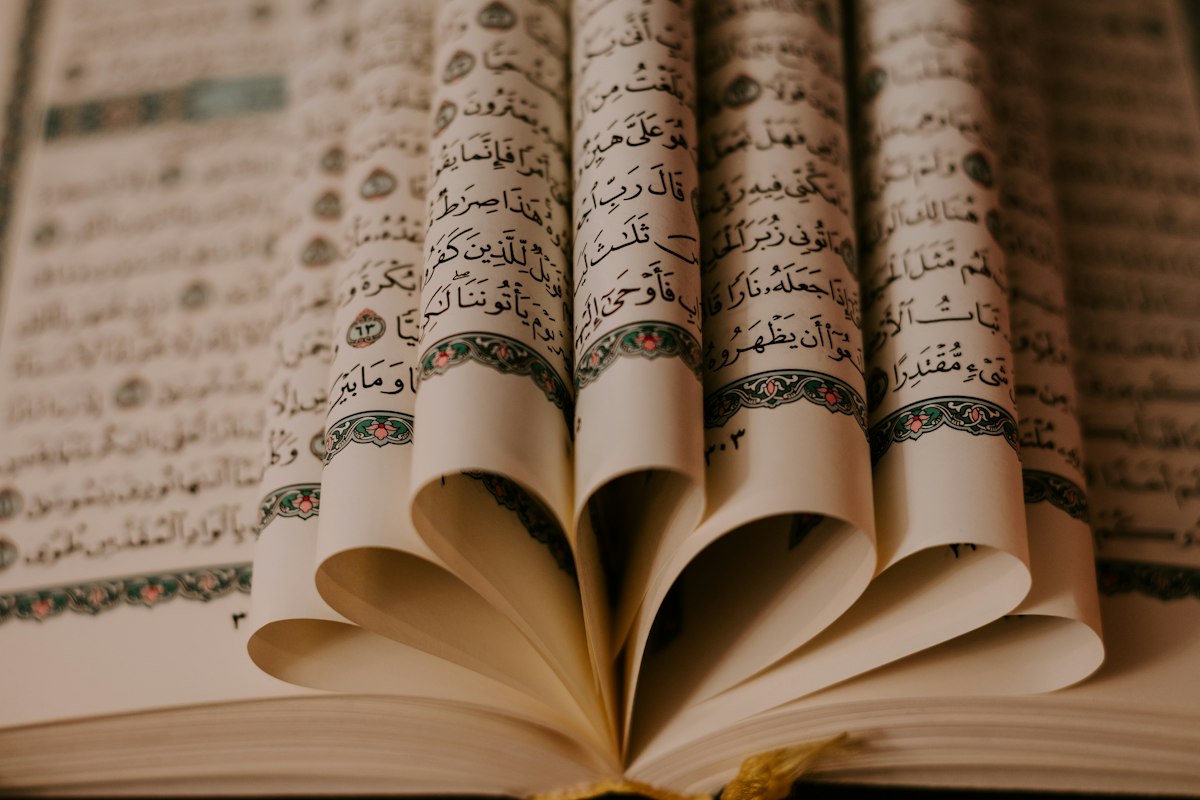
"How long does Hifz take?" is the first question almost every parent asks us — and the honest answer is: it depends on age, daily time and consistency far more than on talent. This guide gives real timelines we see with our own students, and what makes the journey faster or slower.
The Honest Timelines
Let us put real numbers on the table. A school-going child memorising part-time — three classes a week plus short daily revision — typically finishes Juz Amma in three to six months, and then memorises around one to two juz a year alongside school. The whole Quran at that pace takes roughly four to six years, which is completely normal and nothing to be disappointed about. A dedicated child with daily lessons and a light school load can finish in two to three years. An adult memorising around work usually completes a juz every three to four months of steady effort; many adults wisely set a staged goal — Juz Amma, then the most-recited surahs, then more — rather than only counting the finish line of all thirty juz.
Notice what none of these timelines depend on: being a "genius." They depend on hours and habits. That is genuinely good news, because hours and habits are things a family can choose.
The Three Things That Decide Your Speed
First, daily minutes. Memorisation compounds like savings: fifteen focused minutes every day will beat two distracted hours on a Sunday, every single time, because the memory is refreshed before it fades. Second, revision discipline. New memorisation (what we call Sabaq) is the glamorous part, but revision is what converts this month's verses into lifelong possessions; students who protect revision time progress steadily, and students who skip it quietly re-learn the same pages for years. Third, one consistent teacher. A teacher who knows exactly what you memorised, where you stumble and how you learn can plan each week precisely — that continuity alone is worth months over a Hifz journey.
Sabaq, Sabqi, Manzil — the System That Makes It Stick
Traditional Hifz teaching runs on three wheels turning together. Sabaq is the new lesson: a small portion, often a few lines to a page, memorised fresh. Sabqi is the recent past: the last several pages, recited again so they harden from new to known. Manzil is the long past: a rotating cycle through everything memorised before, so nothing is ever left unvisited for long. When all three wheels turn every week, forgetting has nowhere to live. When Manzil stops — as it does in rushed programmes — students reach juz ten and discover juz two has quietly evaporated. Any timeline that ignores this system is fiction; with it, the timelines above are realistic for ordinary children and adults.
Mistakes That Double the Time
The first is memorising on a weak foundation: a student whose reading and basic Tajweed are shaky will memorise mistakes along with verses, and unlearning them later costs more time than the foundation would have. The second is the long break — a summer with no revision can erase a season of work, while even five minutes a day keeps the chain alive. The third is targets that are too big: a page a day sounds heroic in week one and collapses by week four, while a few lines daily, never missed, quietly becomes a juz, then five. The fourth is comparing your child to another family's child; Hifz is a marathon run at your own child's pace, and pressure is the fastest known way to make a child hate the book they are memorising.
How Our Hifz Programme Works
A student joining the online Hifz course at AyahLink Academy begins with an assessment: current reading level, Tajweed, and how much revision the week can honestly hold. From that we build a personal plan — weekly Sabaq targets, a Sabqi and Manzil cycle, and milestones parents can see. The teacher hears every line personally in every class; parents receive monthly progress reports showing pages memorised, revision status and the next target. If life interrupts, the plan adjusts — the system bends so the habit does not break.
However long your family's Hifz journey takes, it begins with a single page and a teacher who knows your child. Start with three free trial classes: meet the teacher, get an honest assessment and a realistic timeline for your child — before you commit to anything.
Hifz for Children: What Parents Must Get Right
Children memorise astonishingly fast and forget for very human reasons: boredom, pressure, and broken routines. Your job as a parent is not to teach — it is to protect the conditions. Keep the daily revision time sacred and short. Celebrate portions finished, publicly and warmly, so your child feels the family's pride. Never use extra memorisation as a punishment or withhold it as one; the Quran must stay on the side of reward in your child's heart. Watch for the two danger signs — dread before lessons and tears over targets — and tell the teacher early; a good teacher would rather slow the plan than lose the child. And be patient with plateaus: children often sit at one level for weeks, then leap. The families whose children finish Hifz are rarely the strictest; they are the steadiest.
Hifz Alongside School: a Sample Week
Here is what a working week actually looks like for a school-going child memorising part-time. Three lessons a week carry the Sabaq: new lines learned with the teacher, a few at a time, until they can be recited without looking. Every school morning begins with ten minutes of Sabqi — yesterday's and this week's pages — often in the car or over breakfast. One weekend session turns the Manzil wheel: a juz or a set portion of old memorisation, recited to a parent or the teacher. Total extra time: roughly twenty minutes a day. That modest, unglamorous rhythm is what four-to-six-year timelines are built from — not talent camps or heroic pushes.
What If My Child Forgets?
They will — and so does every hafiz who has ever lived. Forgetting is not the enemy of Hifz; it is the reason the revision system exists. A portion forgotten is not lost work: re-learning it the second time takes a fraction of the original effort, and it returns stronger. What matters is that forgetting is discovered quickly, by the Manzil cycle, rather than a year later at a recitation in front of others. Teach your child this early: the Quran is kept by returning to it, and even the Prophet's companions revised constantly. A student who expects some forgetting, and has a system that catches it, is never demoralised by it.
After Hifz: Keeping a Lifetime Habit
Completing the memorisation is the beginning of the real relationship, not the end of the course. Huffaz keep the Quran by reciting a set portion daily — many aim for a juz a day, completing the whole Quran monthly — and by leading or attending Taraweeh in Ramadan, where the year's revision is tested beautifully. Students often continue lessons at a lighter rhythm: one class a week to polish Tajweed, deepen understanding through translation or Tafseer, and keep a teacher's ear on their recitation. Parents should plan for this maintenance from the start. The goal was never a certificate on a wall; it is a companion for life, carried in the heart.
Hifz and Tajweed: Which Comes First?
A short but crucial detour: memorising with weak Tajweed is building on sand. Verses learned with wrong articulation must later be re-learned under correction, which feels like going backwards and discourages everyone. The efficient order is a solid reading foundation first — fluent Nazra with the core rules in place — then memorisation, with Tajweed refined continuously along the way. This is why our assessment looks at recitation before setting any memorisation target: a few weeks spent strengthening Tajweed at the start routinely saves months across the whole journey.
Setting the Target With Your Child, Not For Them
Finally, involve the student in the timeline. A target a child helped choose — one juz by Ramadan, Juz Amma before the new school year — carries a motivation no parent-imposed deadline can match. Write it down together, put the milestones on the family chart, and review them monthly without drama: ahead is wonderful, behind is information, never a verdict on the child. Hifz done this way produces more than memorisation; it teaches a young Muslim that great things are built line by line, day by day, with Allah's help — which is, in the end, the real curriculum.